
Property management isn’t for the faint of heart. One hour you’re explaining why rent collection is not optional, the next you’re talking a real estate investor off the ledge because a roof reached the end of its life. And in between, a water heater decides to retire at 11:47 pm.
If you’ve been in this business long enough, you know the grind. You’re the referee, the problem-solver, and the one catching heat from both sides.
Yet for all that work, the credit rarely finds you. Property owners see you as the person who calls with bad news about their investment properties. Tenants see you as the landlord’s messenger. Almost nobody sees the bigger role you actually play.
In reality, most property managers are already operating as asset managers, whether the title reflects it or not. The work you do protects cash flow, preserves property condition, and influences long-term returns. The issue isn’t the value you provide; it’s how that value shows up in conversations.
You know all this. But do your investors? It’s time to make that value visible.

Why the PM–investor relationship feels strained
What is the relationship between a property manager and an owner? Ideally, it's a strategic partnership.
But in reality, it often feels transactional and reactive. Most investors only hear from their manager when something goes wrong: HVAC failures, skipped rent, or surprise city inspections.
When communication is one-sided, perception becomes lopsided. Principal reduction, equity growth, and tax advantages rarely show up in routine communication. Both sides end up flying half-blind, making informed decisions nearly impossible.
The result? Investors wonder if their rental properties are "working," and you wonder why they don’t see all the fires you put out. Neither side is wrong; you’ve just been missing a shared language to discuss property performance.
Why successful real estate investors partner with property management companies
The day-to-day operations of rental properties can be incredibly time-consuming, which is why smart real estate investors hire professional property management firms.
A great property manager handles the entire spectrum of management, from tenant screening and lease agreements to collecting rent and addressing maintenance issues.
They ensure compliance with fair housing laws, conduct regular inspections to prevent property damage, and manage evictions when necessary.
For investors, this partnership offers peace of mind and allows them to focus on acquiring new assets rather than maintaining existing ones. Your goal as a property manager is to optimize the return on investment (ROI) by minimizing vacancy rates and maximizing rental income.
As a property manager, though, you could be going one step further. If your investor sees you only as the person who arranges for the hot water heater to be fixed and collects the rent, then you’re missing a big opportunity. It’s time to demystify your work and show your investor what you really have to offer as someone who manages not just a property, but a valuable asset.
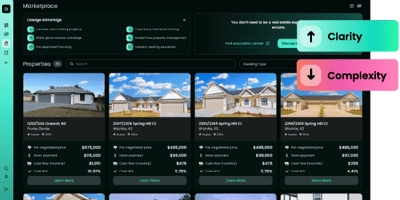
Shift the conversation: from chaos to clarity
To do this, the fix isn’t more messages; it’s better messages. To enhance your relationship with investors, you must move from incident reports to portfolio reviews. You need to communicate the benefits described above to your investors.
You need to be the problem solver. Tie every problem to the bigger picture to demonstrate how you’re protecting their bottom line.
- Maintenance in context: “We replaced a water heater this month for $1,200. By acting quickly, we prevented water damage and ensured rent continuity, protecting your year-to-date cash flow.”
- Equity in motion: “Here’s how principal pay-down and market appreciation improved your equity position this quarter. Your property value has increased by an estimated 2%.”
- Forward guidance: “Based on current market trends and rising expenses, we see an opportunity to reposition this unit for stronger returns next year. We recommend a pricing adjustment of 4% upon lease renewal.”
Sure, your investors own “property.” But framing that property as an asset is strategic. This is the language not just of a property manager, of an asset manager. When you talk this way, investors stop seeing you as the bearer of bad news and start seeing you as the person steering the asset toward greater profitability.
What changes when you communicate like an asset manager
When you consistently communicate with investors using the high-value language of asset management, rather than property management, the impact on your business relationships is profound. This approach provides clarity while also upgrading how your expertise is perceived.
This sets you apart as a true partner in property performance.
- Perception flips: You evolve from a manager of day-to-day operations into a strategist. You become the go-to expert on how to maximize rental property profits.
- Decisions speed up: Investors act decisively when they understand the "why" behind your recommendations, whether it’s for preventive maintenance or a pricing adjustment.
- Trust compounds: Clear, consistent reviews backed by data lead to longer contracts, less friction, and more referrals. Your value becomes undeniable.
Managing technology and financial reporting
You know the why. Now it’s time to talk about the how.
Frankly, to have these conversations effectively, you need the right tools. Modern property management software with owner dashboards provides real-time access to key metrics, delivering the much-needed transparency you can’t overlook. When an investor can log in and see financials, maintenance updates, and vacancy rates at a glance, trust builds automatically.
Clear financial reporting is non-negotiable. It should go beyond simple income and expenses to include metrics that matter to investors, such as cash-on-cash return, net operating income (NOI), and occupancy rates.
With this data in hand, you’ll feel empowered and confident in having strategic discussions and help investors make informed decisions about their portfolios.
How property managers and investors maximize rental property profits
Achieving the highest returns from a rental property requires a true partnership between property managers and investors. Easier said than done!
Here are some tips to collaborate with a focus on profitability:
- Set Clear Objectives: Begin by aligning on investment goals, whether it’s stable cash flow, long-term appreciation, or a blend of both. Make it a point to have regular conversations about these objectives so everyone is working toward the same outcome.
- Share Data Transparently: Use property management software (and frequent updates) to keep both parties informed about occupancy rates, maintenance costs, and key financial metrics.
- Strategic Maintenance Planning: When managers and investors agree on regular upkeep schedules and budget accordingly, it results in fewer surprises and lower overall expenses.
- Timely Upgrades and Improvements: Work together to identify cost-effective upgrades that attract higher-quality tenants and justify rent increases. Once you have an agreed process for evaluating ROI on renovations, your investments will be smarter and more strategic.
- Market Analysis & Pricing Strategy: As a property manager, you likely have some expertise in local market trends to set optimal rental rates and can adapt quickly to changing conditions. Don’t be afraid to continuously review, refine, and tweak as needed.
- Regular Performance Reviews: Schedule recurring meetings to discuss portfolio performance, review key metrics, and address any challenges or opportunities.
Make it routine: a cadence for strategic communication
A strong property manager-investor relationship is built on a predictable communication schedule, which helps manage expectations and keeps you and your property owners in constant alignment.
Each partnership will have its own strategic workflow, but here are some suggestions:
- Monthly Pulse: Send a short, automated note covering rent collection status, notable items, and any risk flags. This keeps investors in the loop without creating unnecessary work.
- Quarterly Review: Provide a one-page report covering cash flow, principal reduction, equity changes, and tax advantages. Highlight key performance metrics and include recommended actions to streamline operations or boost returns.
- Annual Strategy Call: Use this meeting to review the past year’s performance and set targets for rent, expenses, and portfolio moves. Discuss market trends and align on the long-term vision for the investment properties.
You’ve been doing the hard work all along. When you package that work as strategy, you get the credit, and the relationship stops revolving around emergencies and late payments.
The future of property m management belongs to strategic managers
Investors may own the property, but you own the relationship. And it’s those relationships that keep portfolios (and property management companies) growing.
The industry is moving away from managers who simply collect rent and toward strategic partners who actively contribute to an asset's appreciation and profitability. By using data, communicating effectively, and focusing on the investor's bottom line, you secure your role as an indispensable part of their success story.
With Lineage, you finally have a tool that proves your worth, strengthens your partnerships, and brings clarity to an industry that desperately needs it.
Stop being seen as the rent collector. Start being recognized as the asset manager you already are.